Scientific Program Director
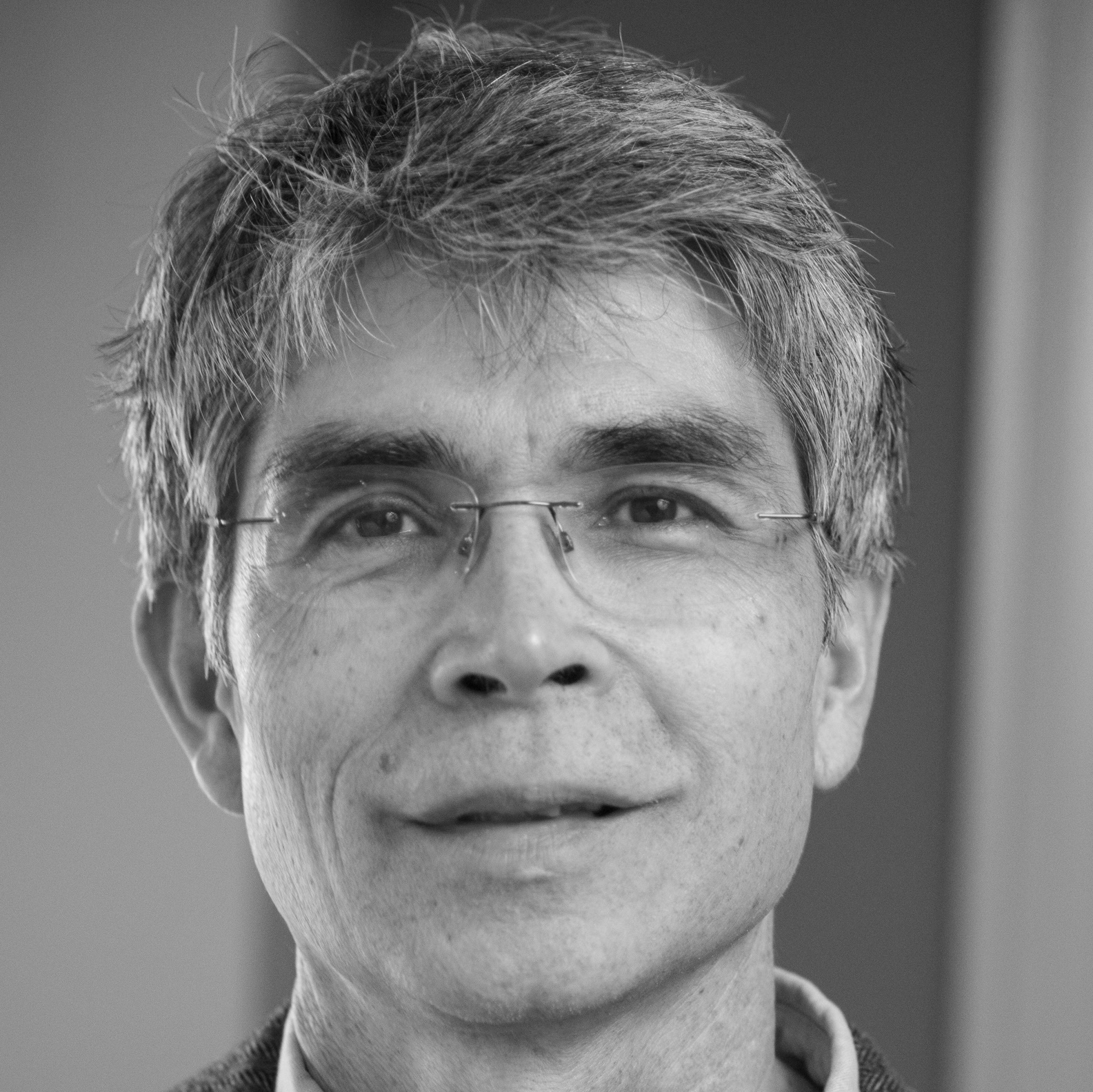
Fred Cassels is a biochemist, microbiologist, and immunologist with a long history in vaccine development, including adjuvant and delivery system studies, and preclinical and phase 1 through 4 clinical trials benefiting global public health. Most recently, Dr. Cassels served as the Global Head of Enteric and Diarrheal Diseases at PATH, a global public health nonprofit, advancing rotavirus, Typhoid, polio, Shigella, and enterotoxigenic E. coli (ETEC), and as well SARS-CoV-2 vaccines through the product and clinical development pathways to benefit low-and-middle income countries (LMICs). A recent example is a phase 3 Typhoid conjugate vaccine trial conducted in 3219 subjects in Senegal and Kenya, which likely will result in the global licensing (prequalification) of this vaccine through the World Health Organization.
Prior to joining PATH, Cassels had the role of Chief of the Enteric and Hepatic Diseases Branch, Division of Microbiology and Infectious Diseases (DMID), National Institute of Allergy and Infectious Diseases. His work there encompassed the management of grants, including systems biology and organoid programs, broad preclinical product development contracts, animal model contracts, and as well domestic and international clinical trials. Cassels served as Special Issue Editor of the inaugural issue of Vaccine Insights covering COVID-19, and as well of the MDPI Microorganisms ETEC Infection and Vaccine-Mediated Immunity.
Before DMID, Cassels worked in the Department of Enteric Infections, Walter Reed Army Institute of Research (WRAIR), developing and testing ETEC vaccine candidates, adjuvants, and delivery technologies in animals and in clinical trials. He advanced lab scale vaccines into cGMP (FDA approved) processes at large scale at the WRAIR Bioprocessing Facility.
While Cassels retired (preferring ‘graduated’) from PATH fall of 2023, he has since formed a consulting LLC, advising academics in vaccine and other product development at the University of Washington, Seattle University, University of Victoria, and Boise State University. In addition, he is revisiting an early interest in marine biology by volunteering at the Seattle Aquarium on a microplastics project and as well with the Washington State Department of Health and Puget Sound Restoration Fund with a biotoxin focus. With an ongoing interest in education, he volunteers at Seattle’s Goldfinch School. He has also been training and volunteering with the Mountaineers organization in Seattle, including summiting Washington’s Mt. Baker.